AI Manufacturing Video Analytics to supercharge your production lines
- Get actionable insights in real-time
- Increase Revenue by Identifying hidden opportunities
- Improve compliance to SOPs by 65%
- Reduce operational costs and DEPS by 38%
Trusted By Leading Brands


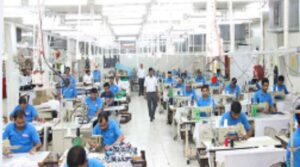
Manufacturing Video Analytics Makes Your Facilities Smart
Transform your manufacturing facility into a hub of intelligence with Security Video Analytics
Utilizing our cutting-edge manufacturing video analytics system, AIVIS, let’s revolutionize your labor-intensive and monotonous tasks into smart, AI-driven processes.
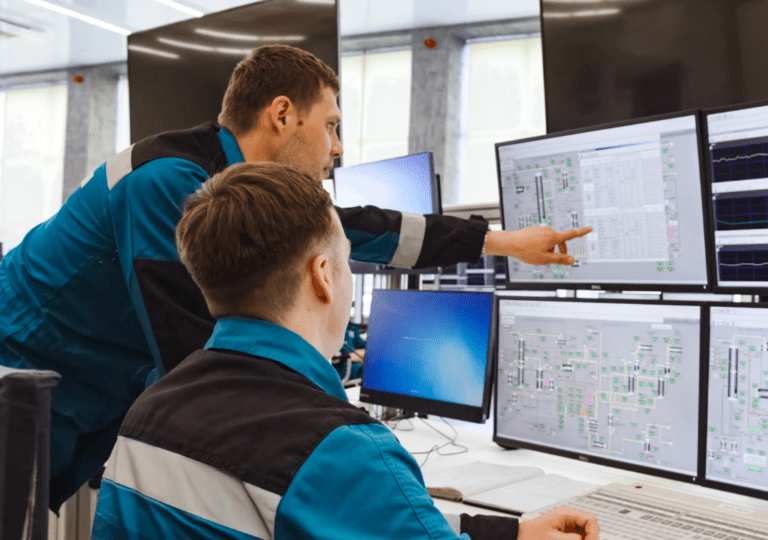
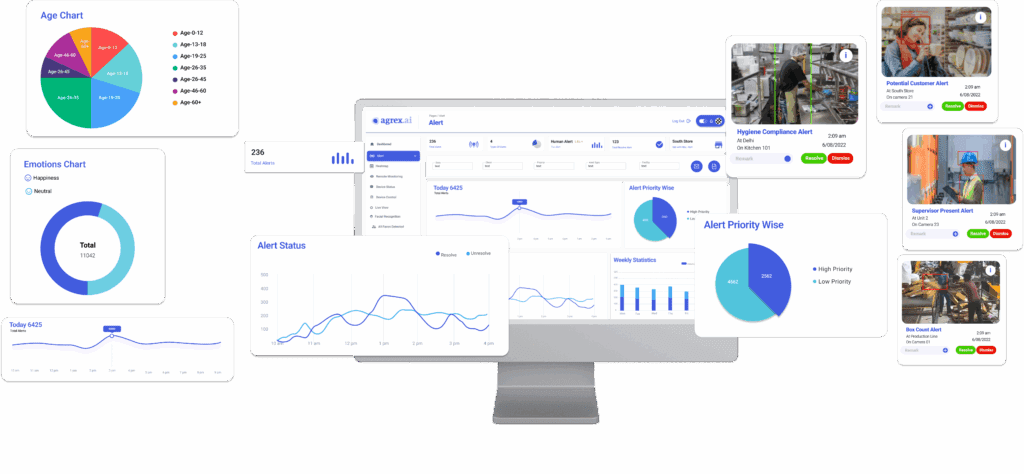
While manufacturing operations often encounter human error, AIVIS significantly diminishes these risks. It offers real-time updates, continuous monitoring of operations, and immediate alerts when anomalies occur.
AIVIS, a sophisticated video analytical system, liberates manufacturing from the constraints of traditional management methods.
Requiring minimal supervision, AIVIS ensures the safety and security of your facility through an AI-enabled camera network.
AIVIS meticulously monitors manufacturing processes, optimizing Turnaround Time (TAT) and ensuring seamless operations from start to finish. By leveraging logistics video analytics, manufacturing processes become intelligent and efficient, driven by Artificial Intelligence.
Moreover, AIVIS facilitates a reduction in last-minute losses and compliance expenses, offering an additional advantage. Monitoring TAT for parcel delivery transforms manufacturing into an automated and secure process.
This marks a departure from conventional tools, ushering in a new era of manufacturing through the integration of video analytics technology.
Use Cases
Real-time Monitoring
- Proactive maintenance for machinery longevity.
- Immediate identification of potential issues.

- Optimal utilization of production resources.
Predictive Analytics
- Optimized production schedules for higher output.
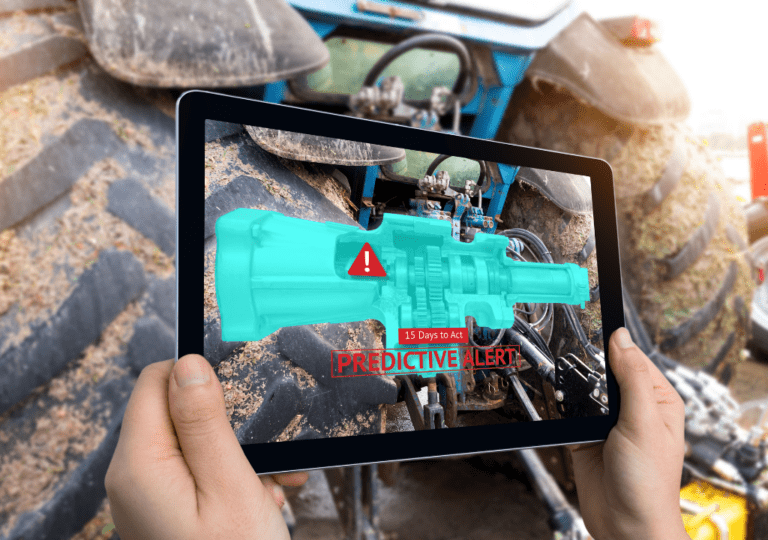
- Anticipation of equipment failure for preemptive action.
- Demand forecasting for inventory management.
Quality Control Automation
- Consistent product standards ensured automatically.
- Instant detection of defects for timely correction.
- Trend analysis to improve product quality over time.
Workflow Optimization
- Streamlined operations for increased productivity.
- Identification of bottlenecks for swift resolution.
- Automated task assignment for efficient task allocation.
Resource Utilization Analysis
- Waste reduction through efficient resource allocation.
- Cost-saving measures implemented based on insights.
- Energy consumption monitoring for sustainability initiatives.
Manufacturing Video Analytics FAQ
Expert answers to common questions about AI-powered factory monitoring
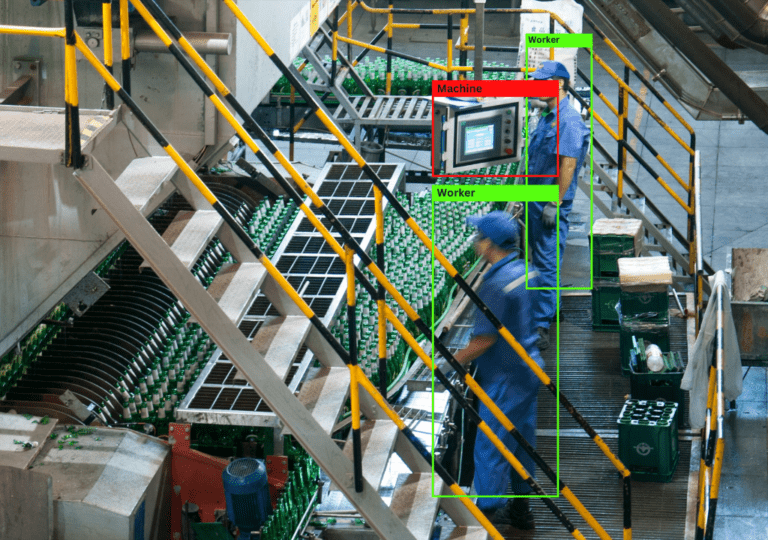
Manufacturing video analytics is AI-powered software that analyzes live CCTV feeds from factory floors, production lines, and warehouses to detect safety violations, quality defects, and operational inefficiencies in real-time. Instead of relying on manual inspections, the system automatically monitors PPE compliance, machine status, SOP adherence, and worker safety — generating instant alerts when issues are detected.
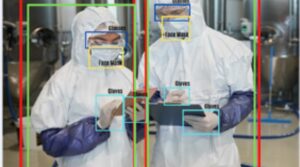
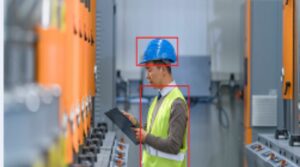
AI video analytics uses computer vision models trained on thousands of images of safety equipment — hard hats, safety vests, gloves, goggles, and steel-toe boots. The system continuously scans every person in the camera's field of view, identifying missing or improperly worn PPE within seconds. According to OSHA, proper PPE usage prevents an estimated 37.6% of occupational injuries, making automated monitoring critical for large-scale operations.
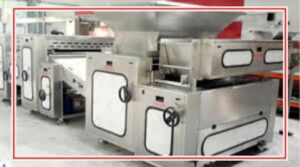
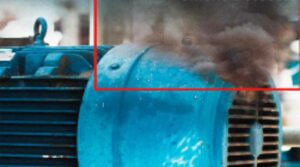
Yes. AI monitors equipment behavior patterns and production line flow in real-time, detecting anomalies like conveyor belt slowdowns, unusual vibrations, or product jams before they cause full stoppages. Manufacturers using predictive video analytics report 15-25% reduction in unplanned downtime and 20-30% improvement in Overall Equipment Effectiveness (OEE).
Manufacturers typically see 200-400% ROI within 12-18 months of deployment. Key savings come from reduced workplace injuries (30-50% fewer incidents), lower insurance premiums, decreased quality defect rates (20-40% improvement), reduced downtime, and optimized labor allocation. A mid-sized factory with 500+ workers can save $500K-$2M annually through automated monitoring.
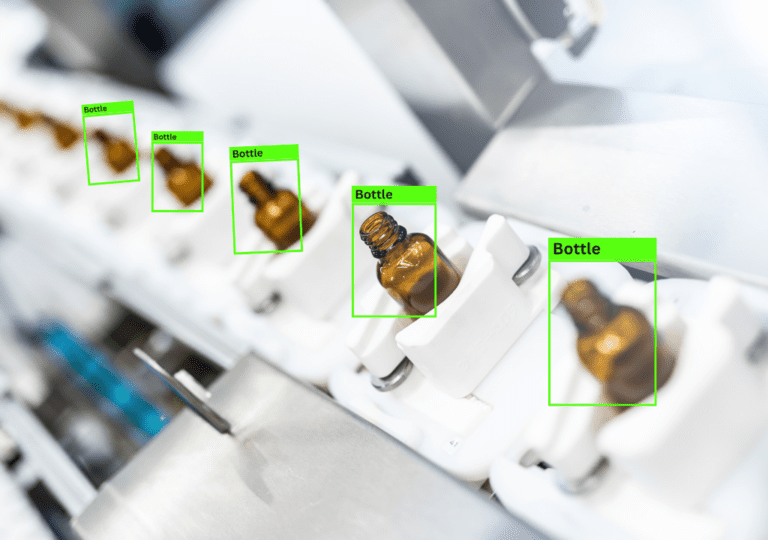
AI inspects products on the production line at speeds and accuracy levels impossible for human inspectors. The system detects surface defects, dimensional variations, assembly errors, and packaging issues in real-time — flagging or rejecting non-conforming products before they reach customers. Automated visual inspection achieves 95-99% defect detection rates compared to 60-80% for manual inspection.
Yes, modern manufacturing video analytics platforms integrate with existing infrastructure including SCADA systems, MES (Manufacturing Execution Systems), ERP platforms, IoT sensors, and PLC controllers. Integration is achieved through standard APIs, OPC-UA protocols, and MQTT messaging, allowing factories to enhance monitoring without replacing existing investments.
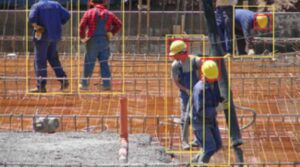
AI creates virtual safety zones around dangerous equipment, restricted areas, and high-risk processes. The system detects unauthorized zone entry, missing safety equipment, unsafe proximity to moving machinery, and ergonomic risk factors like improper lifting. Real-time alerts are sent to supervisors and safety officers, reducing response time from minutes to seconds.
Video analytics delivers the highest ROI in automotive manufacturing, pharmaceutical production, food and beverage processing, electronics assembly, heavy machinery, and chemical plants. Any facility with repetitive processes, safety-critical operations, or stringent quality requirements benefits significantly from AI-powered visual monitoring.
AI automatically documents safety compliance, generating timestamped evidence of PPE usage, restricted area access, emergency drill participation, and SOP adherence. This reduces audit preparation time by up to 70% and provides continuous compliance monitoring rather than periodic manual checks. The system supports OSHA, ISO 45001, and industry-specific regulatory frameworks.
Yes. AI video analytics is designed to work with existing IP cameras and CCTV infrastructure — no specialized hardware required. The system connects to your current NVR/VMS and processes feeds through edge devices or cloud servers. Most factories can deploy video analytics across their entire facility within 2-4 weeks without disrupting operations.